A light gauge steel framing machine turns steel coil into profiles for a defined framing system. A reliable production workflow connects the approved drawings, material specification, forming operations and assembly sequence. For buyers planning an LGS framing line, understanding these steps is as important as comparing machine speed.
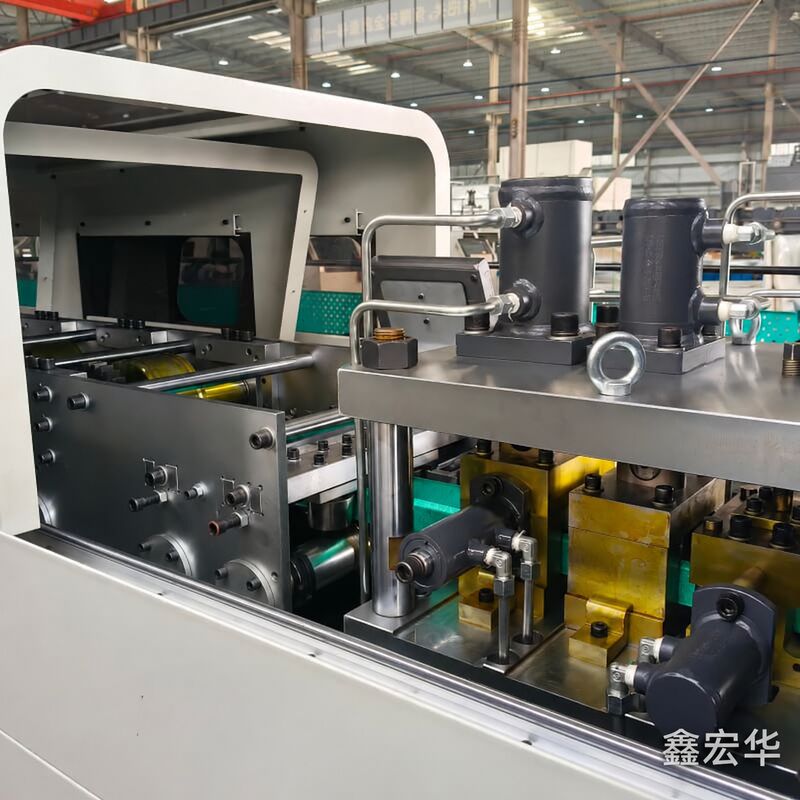
Confirm the section geometry, member lengths, connection details and hole locations before specifying equipment. Cold formed steel framing may be used for wall panels, partitions and other engineered framing applications, but the structural suitability of each member depends on the project design. A steel frame roll forming machine produces the specified sections; it does not replace structural engineering.
Prepare representative drawings rather than only a list of profile sizes. Include short members, long members, repeated holes and difficult connection details. These examples help establish which operations the proposed machine configuration must perform.
Coil width, base metal thickness, steel grade and coating should be agreed together. A machine suitable for one material specification should not be assumed to handle another without confirmation. Coil weight and internal diameter also affect the choice of decoiler and handling equipment.
Check incoming material against the order specification and maintain batch identification. Consistent material makes it easier to investigate changes in profile shape or length during production.
The strip passes through successive forming stations to develop the required cross-section. Entry alignment and tooling setup affect the finished profile. Operators should check the initial samples for web width, flange geometry, lip dimensions and straightness before releasing a production batch.
When evaluating a light gauge steel framing machine, ask how setup changes are managed and which profile families are supported by the quoted tooling. Profile compatibility must be established for the actual equipment being purchased.
Depending on the selected configuration, the production line may include punching, notching, cutting and marking operations. Hole patterns should match the approved connection details. Member identification can help the assembly team distinguish similar lengths and locate each part in the correct panel.
For projects using a digital design workflow, confirm the supported software, file format and data-transfer process. CAD or BIM compatibility should be demonstrated with a sample file from the buyer's own workflow rather than inferred from a general description of automation.
A practical inspection routine checks section dimensions, cut length, hole position, end condition and identification. Compare results with the agreed drawings and acceptance criteria. Record the material batch and machine settings used for the trial.
Where practical, assemble a representative panel or connection during the acceptance process. This can reveal fit-up issues that a single loose profile does not show. Agree any dimensional tolerances in the purchase specification; do not rely on a generic accuracy claim.
Sort profiles by panel or production order, protect them during handling and keep identification visible. The advantage of prefabricated steel framing depends partly on whether components arrive at assembly in the correct sequence. A fast forming operation can still create delays if mixed bundles require repeated sorting.
Xiamen Xinhonghua Machinery supplies roll forming equipment for steel profile production. To discuss a light gauge steel framing machine, provide the profile drawing, material thickness and grade, punching requirements and intended production workflow. These details help define an appropriate equipment configuration for your project.
Related reading: C89 vs C140 light gauge steel framing profile systems.
 IPv6 network supported.
 +86 13605085003
 sunnie@xhhjx.com